What to Expect at a Naples Cooking Class — A Complete Guide
What to expect at a Naples cooking class: how the session runs, what you'll cook, what to bring, and how to get the most out of your Neapolitan cooking experience.
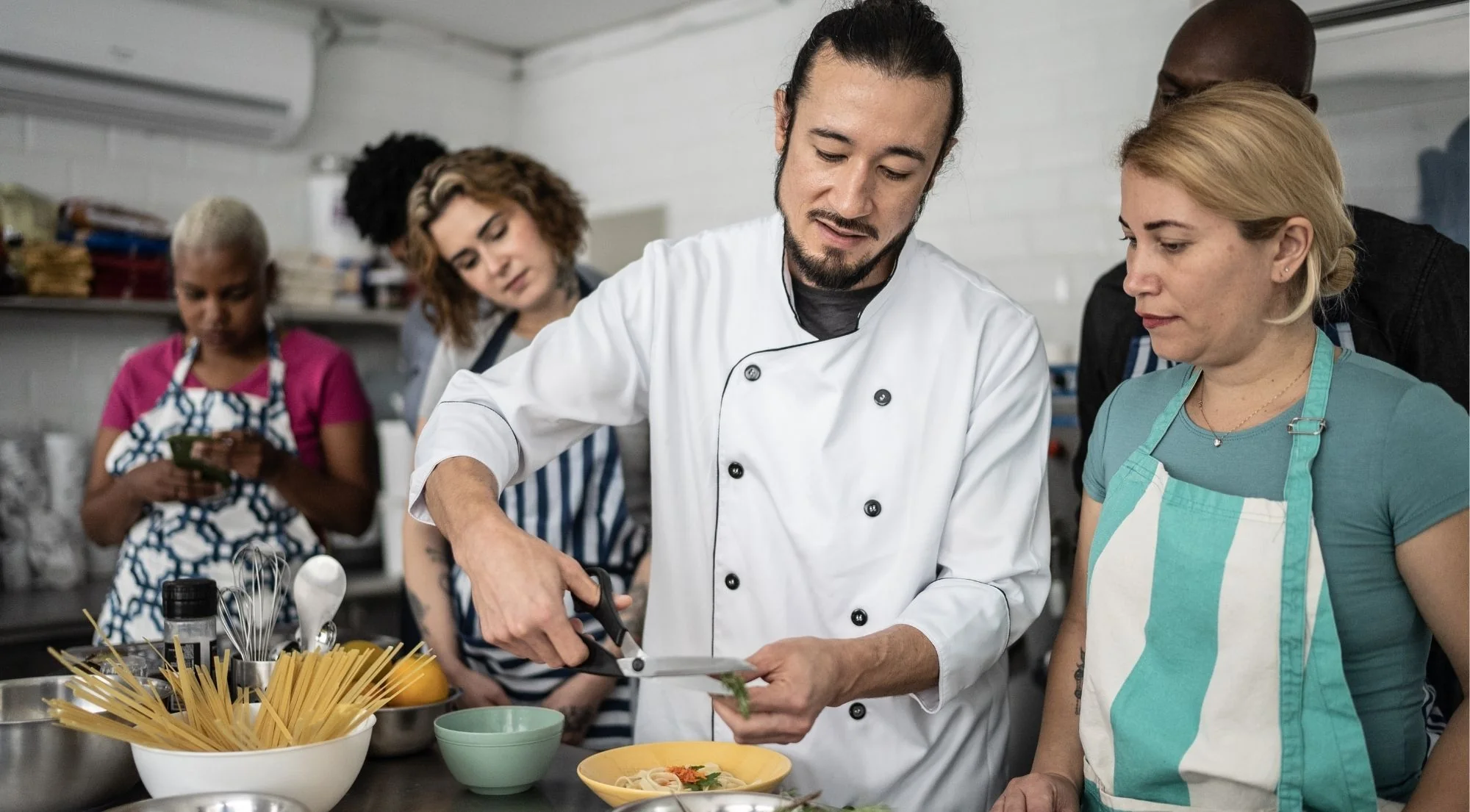
If you’ve never done a cooking class in Italy, the format can feel slightly mysterious. What do you actually do for three hours? How much cooking do you do yourself versus watching? Here’s exactly what to expect.
To check dates for the pasta class this guide describes most closely, use the calendar below:
If you haven’t picked a class yet, our guide to cooking classes in Naples compares the options.
Arrival and Welcome
Most Naples cooking classes meet at a specific address in the historic centre — usually the kitchen itself, rather than a hotel lobby or piazza. You’ll receive the exact address with your booking confirmation. Arrive on time; classes tend to start promptly and the first few minutes are often the most technically important.
Depending on the class, you may be offered a welcome drink — wine, Prosecco, or a soft drink — as you settle in. Some classes start with a brief introduction from the chef about the history of the dish you’re about to make. Others go straight to the worktop.
Other experiences you might enjoy in Naples
Classes usually last two to three hours, so there is time for more. Visitors often pair one with a walk through Spaccanapoli and the Naples underground, a trip to Pompeii, or a day on the Amalfi Coast or Capri.
The Cooking Portion (About 1.5–2 Hours)
This is the heart of the session, and the same steps as our fresh pasta recipe. In a pasta class, you will:
- Make the dough from scratch. The chef demonstrates the mixing ratio (flour to eggs, or flour to water for a semolina dough), then you each make your own portion. The chef watches and corrects: the kneading pressure, the point at which the dough becomes smooth, the resting time.
- Roll or shape the pasta. Depending on the class, you use a rolling pin and cut by hand, or use a pasta machine, or shape the dough by hand (for gnocchi, cavatelli, or filled shapes).
- Prepare the sauce. Usually a quick Neapolitan tomato sauce or a butter-and-sage combination, though some classes cover a ragù.
- Make the dessert (if included). Tiramisu is the most common addition — it’s assembled in parallel with the pasta-making, then refrigerated while you eat.
The chef circulates constantly. You ask questions, you try things, you make mistakes (the pasta tears; you over-flour the board; the dough is too sticky), and the chef adjusts. This is normal and expected. Cooking class chefs in Naples have seen every level of ability.
The Meal
After cooking, you sit down to eat. In most classes this means the pasta you just made, dressed with the sauce, at the table where you worked. Wine is usually included or available. If you made tiramisu, that arrives after.
This part of the class tends to be the most relaxed — conversation flows, people compare notes on which pasta they found easiest to shape, the chef talks about other dishes. Budget 30–45 minutes for the meal.
What to Bring
- Comfortable, flexible clothing. Flour gets everywhere.
- An appetite — you will be eating.
- A camera or phone for photos; the class is highly photogenic at every stage.
You don’t need to bring any food, cooking equipment, or special shoes. Aprons are provided.
Language
Almost all Naples cooking classes catering to tourists operate in English, or with an English-speaking assistant alongside an Italian-speaking chef. If you have specific dietary restrictions or allergies, flag them at booking — most operators can accommodate vegetarian, dairy-free, or gluten-light options with advance notice.
After the Class
You leave with recipe cards for what you made, and in many cases the chef’s contact details or social media handles. Some classes also include a small take-home element — a container of leftover tiramisu, or a piece of pasta dough to work with at home.
The experience typically lasts 2.5–3 hours in total. You leave well-fed, with a new skill, and with a very specific reason to cook pasta differently at home.
Make Authentic Neapolitan Pasta Today
Join 1,000+ guests who rated this experience 4.9/5. Shape fresh pasta dough, prepare a classic sauce, and make tiramisu from scratch — guided by a local Neapolitan chef. Free cancellation.
Check Availability & Book