Naples Cooking Class vs Pizza Making Class — Which Is Better?
Choosing between a Naples cooking class and a pizza making class? Here's what each experience involves, what you learn, and which one is right for your trip.
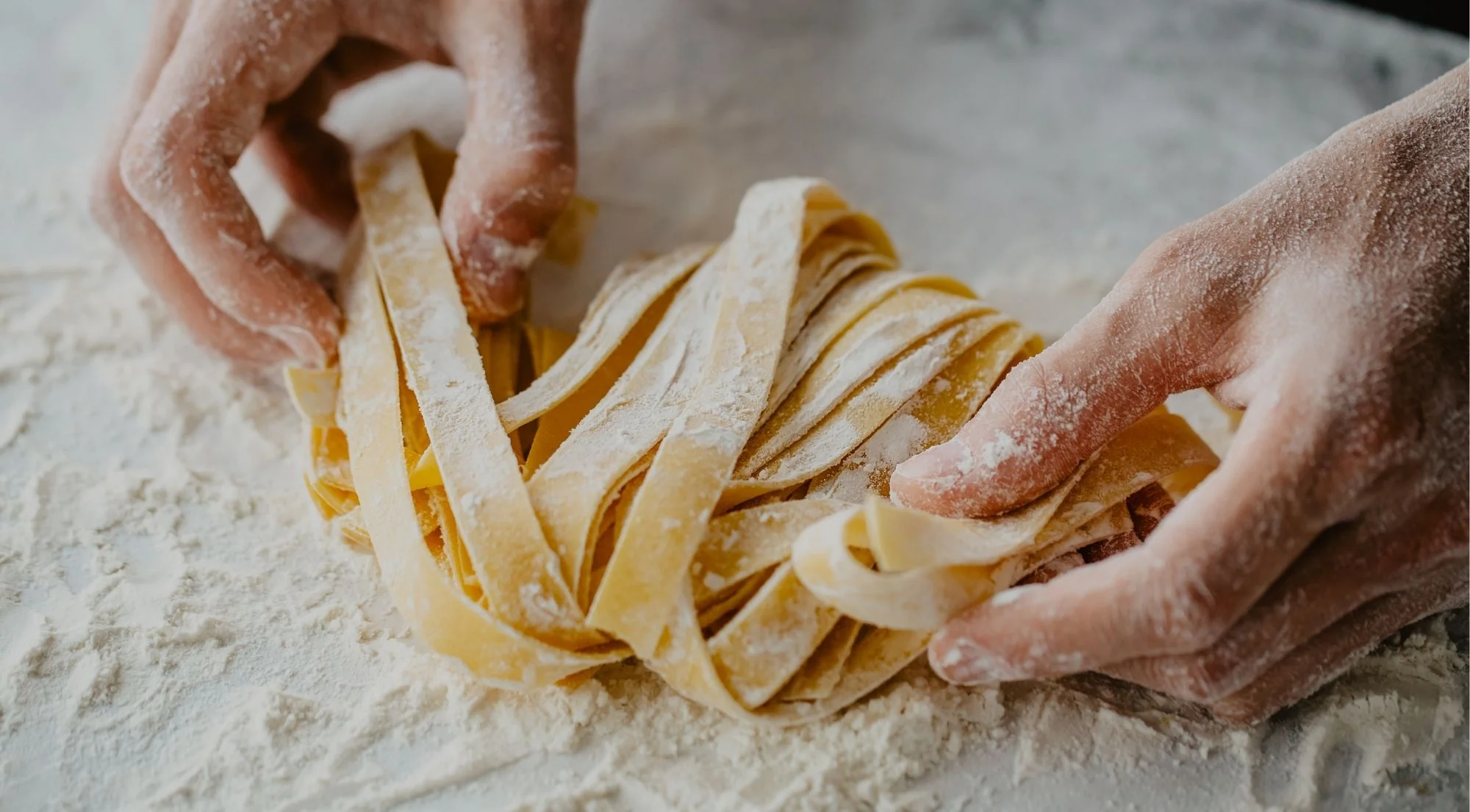
Naples invented the pizza Margherita and arguably perfected the art of fresh pasta. Both cooking traditions run deep here — but if you’re choosing between a pasta/cooking class and a pizza-making class for your trip, the decision matters. They’re quite different experiences.
Leaning towards pizza? Here are dates for the most-reviewed pizza class:
What a Pasta (Cooking) Class Involves
A Naples cooking class focused on pasta typically runs for 2–3 hours and covers one or two fresh pasta shapes — ravioli and fettuccine are the most common combination — plus a sauce and often a dessert like tiramisu. The technique demands patience: you learn to feel when the dough is properly kneaded, to roll it to the right thickness, to cut it cleanly by hand or with a machine.
This is the more technically nuanced of the two options. What you learn in a pasta class transfers more directly to home cooking — the principles of hydration and resting time, and shaping apply across dozens of pasta types. Most guests report that the pasta class taught them something genuinely new.
Best for: People who cook at home, those who want to improve their Italian cooking, couples looking for a hands-on shared activity, food enthusiasts who want to understand the why behind Neapolitan cuisine.
Other experiences you might enjoy in Naples
Either class leaves most of the day free for a street-food tour, Pompeii, Mount Vesuvius or the Amalfi Coast.
What a Pizza-Making Class Involves
A Naples pizza-making class is focused almost entirely on the dough and the baking process. You’ll learn to prepare Neapolitan pizza dough (which requires a long fermentation — the class uses pre-prepared dough that has fermented for several hours; AVPN rules allow 8–24 hours in total), stretch it by hand without a rolling pin, top it with San Marzano tomatoes and buffalo mozzarella, and bake it in a high-temperature oven. In many classes, a tiramisu component is added.
Pizza-making is physically satisfying — stretching the dough is fun, seeing it emerge from the oven is dramatic — but the technique is more intuitive than pasta-making. Most guests find the pizza class lively and entertaining rather than deeply instructive.
Best for: Families with children (pizza-making is more accessible for kids), groups who want a social, energetic experience, people who don’t regularly cook at home, and anyone who wants the specific thrill of making a Neapolitan pizza in the city where it was born.
The Key Differences
| Pasta/Cooking Class | Pizza-Making Class | |
|---|---|---|
| Duration | 2–3 hours | 2–3 hours |
| Technical difficulty | Higher | Lower |
| Take-home skill | Transferable pasta technique | Pizza dough basics |
| Price range | About $24–$60/person (private home classes cost more) | About $22–$70/person |
| Family-friendly | Yes (age limits vary; 8+ on our featured pasta class) | Yes (age limits vary; 6+ at some pizzerias) |
| Includes dessert | Often tiramisu | Often tiramisu |
Which Should You Choose?
Choose a cooking/pasta class if you genuinely enjoy cooking, want to learn something applicable at home, or want the more culturally immersive of the two options. The class format tends to be more intimate, with smaller groups and more individual attention from the chef.
Choose a pizza-making class if you’re travelling with children, want a social activity for a group of mixed cooking abilities, or simply love pizza and want the experience of making one in Naples itself.
Both are excellent. And if you have time for only one, know that the pasta class in Naples tends to be the experience visitors remember longer — not because pizza isn’t wonderful, but because learning to make fresh pasta by hand is genuinely rare, and genuinely useful.
Make Authentic Neapolitan Pasta Today
Join 1,000+ guests who rated this experience 4.9/5. Shape fresh pasta dough, prepare a classic sauce, and make tiramisu from scratch — guided by a local Neapolitan chef. Free cancellation.
Check Availability & Book